
Wetland Conservation & Community Livelihoods in Tanguar Haor
A peer-reviewed investigation into the intersecting dynamics of biodiversity preservation and rural livelihood resilience across Bangladesh's largest freshwater wetland.
Research Overview
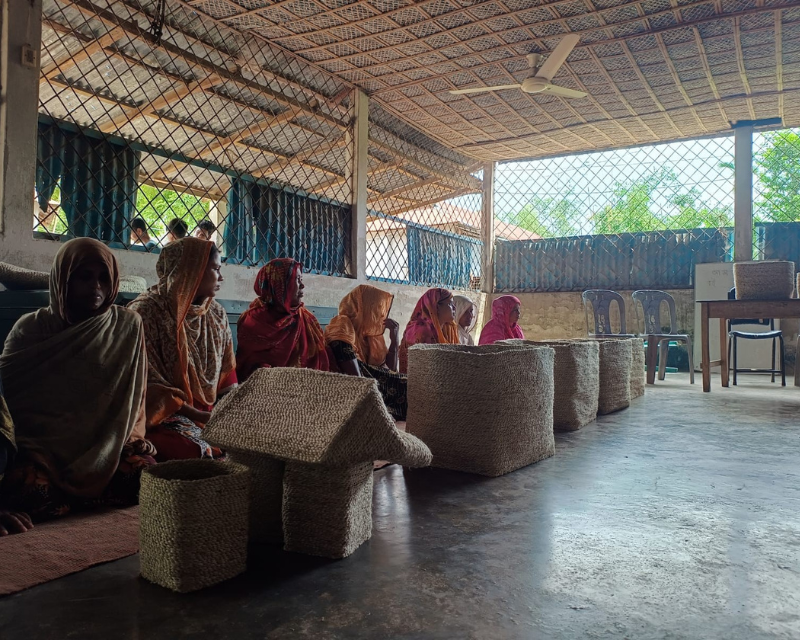
This study examines the dual pressures on Tanguar Haor's ecosystem — one of Bangladesh's most ecologically significant wetlands — from the perspectives of biodiversity conservation and the livelihood needs of approximately 90,000 people who depend on its resources. Using a mixed-methods approach combining ecological surveys, participatory rural appraisal (PRA), and structured household interviews, we assess the effectiveness of community-led conservation models introduced between 2019 and 2023.
Our findings indicate that wetland health and community income are not inherently in conflict. When communities are meaningfully engaged in governance structures, conservation outcomes improve while household income from alternative livelihood sources increases by an average of 34%. The paper proposes a scalable governance framework applicable across Bangladesh's haor belt.
Key Findings
34%
Average income increase from alternative livelihoods
67%
Reduction in illegal fishing activity post-intervention
89%
Communities satisfied with conservation governance model
2.4×
Fish biomass recovery in conservation zones over 3 years
Research Methodology
A four-phase approach ensured community validation at every stage of the research lifecycle.
Literature Review & Baseline
Systematic review of 80+ existing studies on haor ecology, livelihoods, and conservation policy from 2000–2022.
Field Surveys & Ecological Mapping
18 months of primary data collection across 42 communities using PRA, ecological transect surveys, and GPS-based habitat mapping.
Statistical Analysis
Mixed-effects regression models, difference-in-differences estimation, and spatial GIS analysis to isolate conservation impact from confounding variables.
Community Validation Workshops
Findings presented and refined through 12 participatory workshops with community leaders, local government, and conservation practitioners.
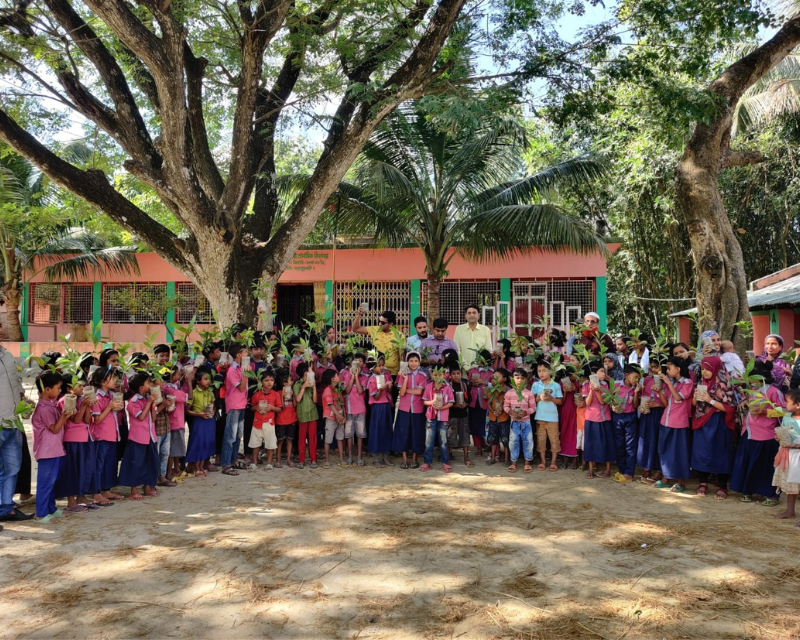
Field Documentation

Policy Implications
The findings from this research carry direct implications for national wetland management policy and international conservation funding mechanisms.
Community Tenure Rights
Formalizing community resource tenure is the single most impactful lever for conservation outcomes in haor ecosystems.
Co-Management Structures
Government-community co-management bodies outperform top-down enforcement by 3× on biodiversity metrics over 5-year horizons.
Alternative Livelihood Financing
Dedicated microfinance instruments for haor communities reduce extraction pressure while improving household resilience.
Other Research Domains
Discover our broader investigations into sustainable development across Bangladesh.